
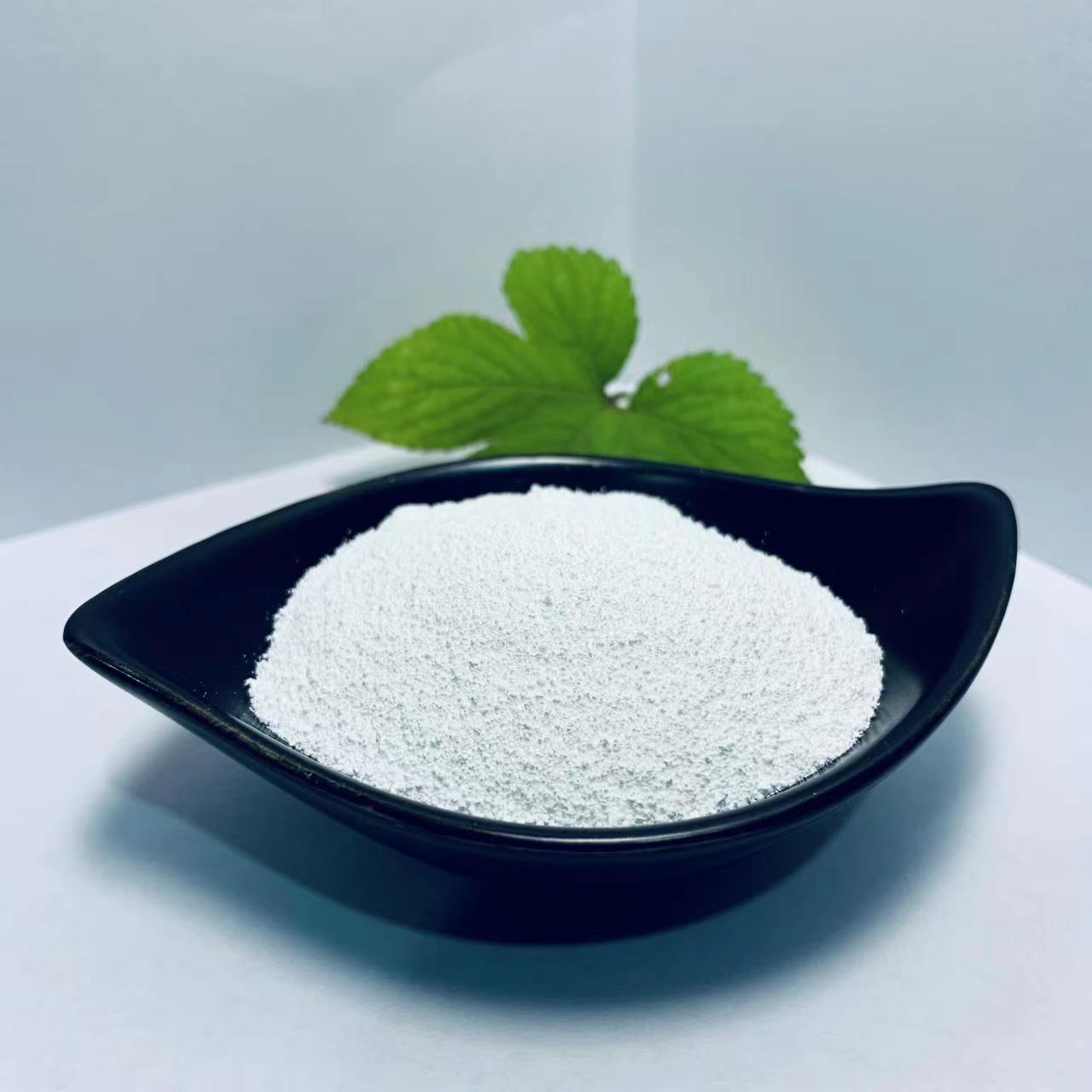
Neural Acid Crystal
Overview
Nervonic Acid, scientific name: cis-15-tetracosenoic acid, is found in nerve tissues and certain plant oils but not in fish oil. Its structural formula is CH₃-(CH₂)₇-CH=CH-(CH₂)₁₁–COOH, with a molecular formula of C₂₄H₄₆O₂ and a molecular weight of 366.6. Nervonic acid is an unsaturated fatty acid containing 24 carbon atoms and one double bond. Using garlic fruit oil as raw material, a series of processes including saponification, acidification, extraction, separation, crystallization, and drying can produce nervonic acid in the form of white flake crystals. This substance was initially discovered in the nerve tissues of mammals, hence the name nervonic acid.
Ingredients
- cis-15-tetracosenoic acid: Content ≥85 g/100g
- Moisture and volatile matter: Content ≤3 g/100g
- Ash: Content ≤3 g/100g
Features
1. Appears as white flake crystals at room temperature, soluble in alcohols but insoluble in water. Its melting point ranges from 39 to 43°C.
2. The human body cannot synthesize nervonic acid on its own; it must be obtained through diet or supplements. However, scientific intake and individual differences should be considered. The recommended daily intake should not exceed 300 mg.
3. Given that cis-15-tetracosenoic acid may not be suitable for infants and young children, product labels and instructions must clearly indicate that it is not recommended for such populations.
Benefits
Nervonic acid is studied for its significant role in nerve cell repair, myelin sheath formation, and cognitive function maintenance, particularly in promoting brain health in middle-aged and elderly individuals and regulating blood lipids.
1. Brain and Nerve Cell Repair
Nervonic acid significantly aids in the repair and regeneration of brain nerve fibers and nerve cells, earning it the reputation as the core natural component of brain nerve fibers and nerve cells. It is a vital component of nerve cell membranes, helping maintain membrane fluidity and stability, promoting efficient nerve signal transmission, stimulating nerve stem cell proliferation, aiding the regeneration of damaged nerve cells, and restoring nervous system function.
2. Enhancing Neural Activity and Regulating Neural Development
It enhances nerve signal transmission, improves cognitive function, memory, and learning ability, delays neural decline, and supports neuronal growth and synapse formation in children, laying the foundation for intellectual development.
3. Myelin Sheath Repair and Protection
The myelin sheath acts as an "insulating layer" for nerve fibers. Nervonic acid promotes the regeneration of damaged myelin sheaths and alleviates symptoms of demyelinating diseases such as multiple sclerosis.
4. Anti-inflammatory and Antioxidant Effects, Preventing Nervous System Diseases
By regulating inflammatory factors and reducing oxidative stress, it decreases nerve cell death, mitigates inflammation and oxidative stress, protects neurons from damage, and may delay neurodegenerative diseases such as Alzheimer's and Parkinson's. It also has protective effects against conditions like Alzheimer's disease.
Applications
The application scope of this substance is extensive, covering edible oils, fats and emulsified fat products, solid beverages, dairy products, candies, and convenience foods, among other areas.
1. Suitable for nutritional support in nervous system diseases such as post-stroke sequelae, Alzheimer's disease, and Parkinson's disease.
2. Promotes brain and intellectual development in children and aids in the repair, proliferation, and regeneration of nerve stem cells damaged by trauma, hypoxia, or diseases.
Application must ensure that the hygiene and safety indicators of cis-15-tetracosenoic acid strictly comply with relevant national standards.